Guide
How to help a pet adjust to a new home
Moving is a big change for a dog or cat, more so after a long trip. A few simple steps in the first days and weeks make it much easier. Here is what works, what to expect, and when to call a vet.
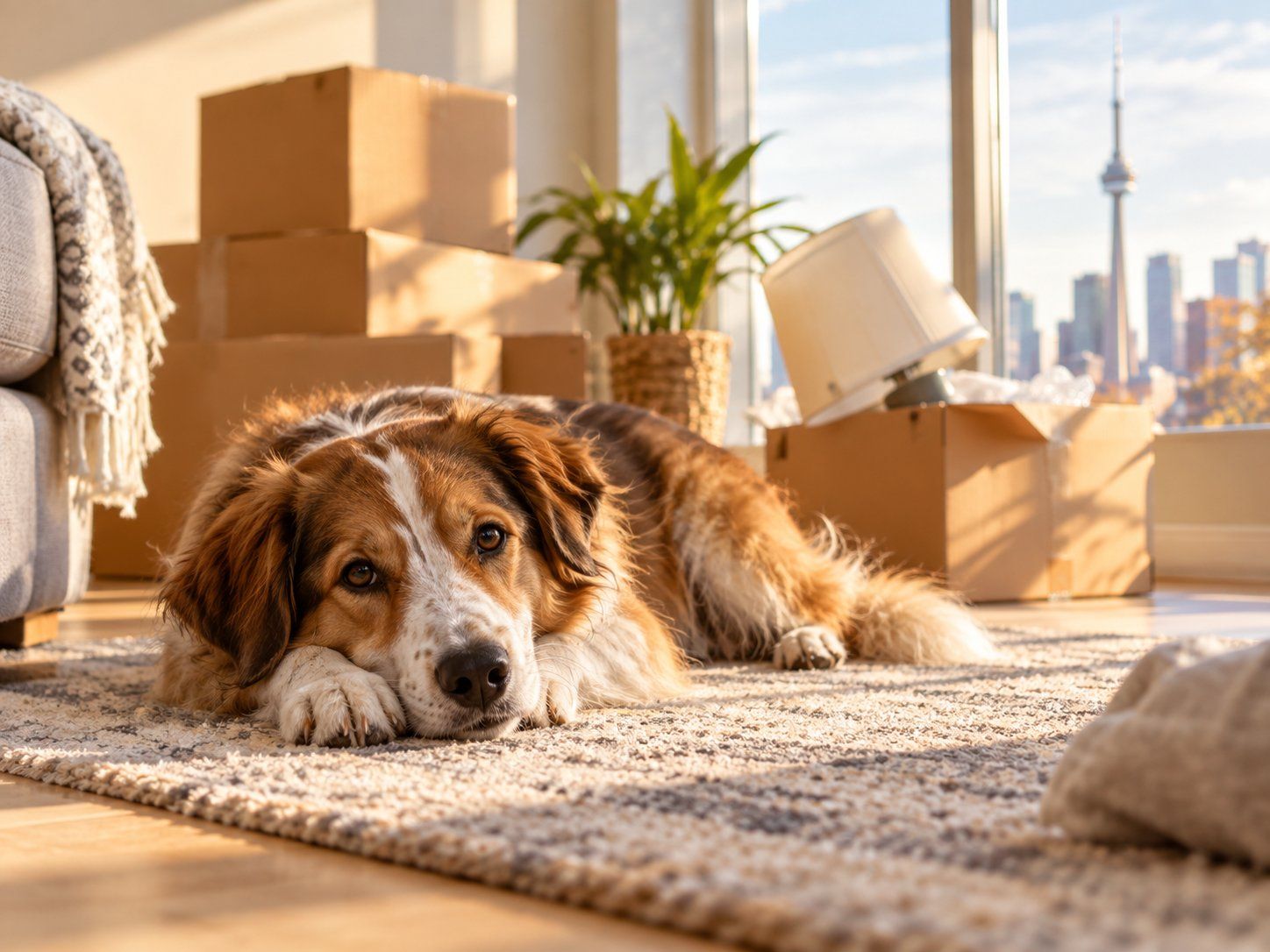
Before your pet arrives
If you can, get the new home ready before your pet walks in. Choose one quiet room, away from the front door and the boxes, and set it up with your pet's bed, food and water bowls, a few toys and, for a cat, the litter box. Close the windows and check for gaps where a small pet could hide or slip out.
Bring the things that smell like home: the old bed, a blanket, a worn t-shirt. Do not wash them before the move. Familiar smells calm pets more than anything new you can buy.
If your pet flies on its own and arrives after you, that head start is a gift: you have a day or two to set up the room before your pet is delivered.
The first day
Your pet has had a long day too. Keep the welcome quiet.
- Offer water first, then a small meal of the usual food. Do not switch food during a move.
- Dogs: a short walk on leash around the block, so they can sniff and toilet. Then home to their room.
- Cats: carry the carrier or crate into the quiet room, close the door and open it. Let your cat come out when it is ready, even if that takes hours.
- Keep visitors away for now. The neighbors can meet your pet next week.
- Stay close. Sit in the room, read, talk quietly. Your calm voice helps.
Expect some odd behavior: hiding, pacing, a small appetite, or not sleeping much the first night. That is normal.
The first week
Keep the old routine. Feed, walk and go to bed at the same times as before the move. If you moved across time zones, shift meals and walks by an hour or so a day rather than all at once.
Open up the home slowly. Once your pet eats and rests normally in the first room, let them explore one more room at a time, with you nearby.
Use a leash and a secure harness outside. Even a dog that was fine off leash before does not know these streets. A frightened pet can bolt.
Do not leave them alone for long. If you can, stay home for the first few days, then leave for short spells and build up.
Check the ID. Put your current cell number on the collar tag and update the microchip record with your new address.
Cats and dogs settle in differently
Dogs
Dogs attach to people and routines more than places. Most settle once walks, meals and bedtime are back to normal. Explore the new area together on short walks, and find a quiet park before trying a busy one. Some dogs bark more at first because every sound is new. That usually fades within a couple of weeks.
Cats
Cats attach to territory, so a move hits them harder. Give your cat its own room for a few days, or longer if it is still hiding. Put the litter box as far from the food as the room allows. Add places to hide and places up high, like a shelf or the top of a box. Keep your cat indoors for at least the first few weeks, even if it went outside before. More on moving cats on our cat transport page.
More than one pet
Pets who got along before may squabble for a few days in a new space. Give each one its own bowl, bed and, for cats, litter box, and keep an eye on them at mealtimes.
A new climate
Moves from Seattle often mean a big change in weather. Give your pet a few weeks to adjust.
- Somewhere hot (Phoenix, Las Vegas, Texas, Florida, Hawaii): walk early and late, carry water, and check the pavement with your hand before a walk. Never leave a pet in a parked car.
- Somewhere cold (Alaska, Minneapolis, Chicago or Boston in winter): short outings at first, and dry your pet's paws after walks on salted or icy streets.
Older pets, puppies and kittens, snub-nosed breeds and short-coated or thick-coated dogs feel the change most. Your new vet can tell you about local risks, such as ticks or other parasites you did not have at home.
Find a new vet
Choose a vet near your new home in the first few weeks, before you need one. Ask your old vet to send your pet's records, including vaccines and any medication. Book a short check-up so the clinic knows your pet, and write down the nearest emergency clinic.
Pet license in your new home
Many US cities and counties ask for a pet license. The license from your old home does not move with you, so check your new city or county website soon after you arrive. Moving to Seattle? See the Seattle Animal Shelter site.
In a condo or rental, check the building's pet rules too, such as leash rules in common areas and elevator use.
Signs of stress to watch for
Some stress after a move is normal. These are the common signs:
- Hiding, or following you from room to room
- Eating less than usual for a day or two
- Toilet accidents in a pet that is house trained
- Pacing, panting, whining or more meowing than usual, especially at night
- Licking or grooming too much
- Mild, short-lived upset stomach
Most of this fades within days as your pet learns the new home. Keep the routine steady, do not scold accidents, and give your pet a quiet place to go.
Still planning the move?
Our guide to moving pets across the country covers flying vs driving, crate training, paperwork and a timeline that starts 8 weeks before the move. Moving to Hawaii or Alaska? See moving pets to Hawaii and moving pets to Alaska. When your pet flies with us, we send the arrival details to whoever is at the new home, so the first hours go smoothly.
Settling in: questions
How long does it take a pet to adjust to a new home?
Should I keep my cat indoors after moving?
Why is my dog acting differently since the move?
Do I need a new pet license after moving?
When should I find a new vet?
How do I help my pet with a big change in climate?
Moving with a pet soon?
We move dogs and cats between Seattle and cities across the US, door to door. Fill in the form to get your price.