Fit to fly certificate
Vet health certificate for flying
Every pet flying in the cargo hold needs a health certificate from a licensed vet, issued within 10 days of the flight (14 days for Hawaii). We tell you what your route needs, and as part of your move we can arrange the ride to your own vet.
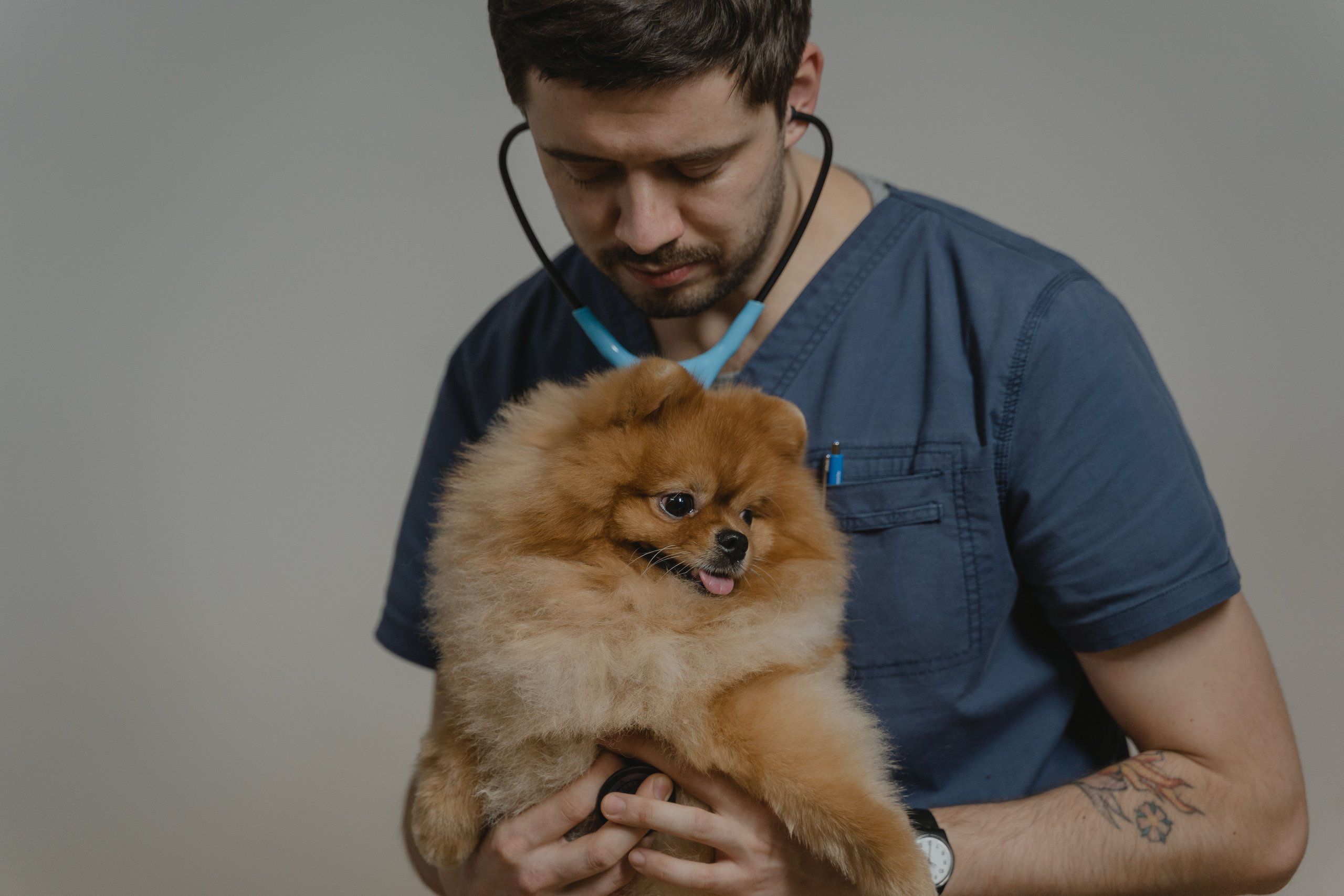
What the health certificate is
A health certificate is a form signed by a licensed vet after examining your pet. It tells the airline your pet looks healthy, free of infectious or contagious disease, and fit to travel. People often call it a fit to fly certificate. It is the same thing.
The certificate shows your pet's breed, sex, age, description and the date of the exam. The airline accepts the original, or a printed copy of an electronic certificate with a digital signature. It travels with your pet in an envelope on the crate.
The breed your vet writes matters: the airline goes by it when it checks the breed rules.
Alaska Airlines and Hawaiian Airlines
When your pet needs one
Flying as cargo
Always
Alaska Air Cargo needs a health certificate from a licensed vet for every pet flying in the cargo hold, issued within 10 days of the flight (14 days for dogs and cats going to Hawaii).
Checked, on your flight
Always
A health certificate is needed for every checked pet, issued within 10 days of the first flight (within 30 days for the return on the same ticket).
In the cabin with you
Depends on the route
Not needed by the airline on mainland routes, but many states have their own entry rules. Pets flying between Hawaii and the mainland need one, dated no more than 14 days before arrival.
Rabies certificate for Alaska and Hawaii
For flights between the Lower 48 and Alaska, within Alaska, and to or within Hawaii, the airline also asks for a rabies vaccination certificate. Dogs and cats under three months old do not need one.
Cold weather: the acclimation letter
The airline generally flies pets in the hold only when the forecast is between 45°F and 85°F at every airport on the trip. Below 45°F, your pet needs a certificate of acclimation from a vet, issued within 10 days of the flight. Ask for it at the same visit as the health certificate.
State rules
Your destination state has its own rules
The airline's certificate is one part. The other is the state your pet is moving to. The US Department of Agriculture does not regulate pets moving between states with their owners: each state sets its own entry rules. A state may ask for more than the airline does, for example a certificate from a USDA accredited vet.
Check your destination on the USDA pet travel page, state by state, and tell your vet where your pet is going. Vets who write travel certificates often know what each state asks for.
Moving to Alaska? Check the state's rules with the Alaska Office of the State Veterinarian before the vet visit. See our guide to moving pets to Alaska.
Hawaii
Hawaii needs much more than a certificate
Hawaii is rabies free, and its entry rules are strict. If your dog or cat meets them on time, it can be released at the airport the day it lands instead of going into quarantine. The main steps, from the Hawaii Department of Agriculture and Biosecurity:
- A working microchip, implanted before the rabies blood test.
- At least two rabies vaccinations in your pet's life, more than 30 days apart, with the latest one more than 30 days before arrival and still current.
- An OIE-FAVN rabies blood test at an approved lab, with a passing result, then a 30-day wait from the day the lab received the sample.
- An original health certificate in English, issued within 14 days of arrival.
- A tick treatment by a vet within 14 days of arrival, written on the health certificate.
- The Dog and Cat Import Form (AQS-279) and the documents sent to the Animal Quarantine Station ahead of time: 10 days or more before arrival for Honolulu, 30 days or more for Kona, Maui and Lihue.
Pets flying into Honolulu should land by 3:30 pm so the inspection can be done the same day. Flying straight to Kona or Maui needs a Neighbor Island Inspection Permit, arranged 30 days or more before arrival.
Plan at least 2 to 4 months ahead. The blood test result alone can take weeks, and arriving before the waiting period ends means quarantine.
Read the full checklist on the state's animal quarantine page, and our guide to moving pets to Hawaii.
How we help
Your own vet, a ride we arrange
We work with your own vet. They know your pet's history, and the certificate is quick for them to write. If you do not have a vet in the Seattle area, choose a clinic that writes travel certificates often.
If you cannot get to the appointment, we can arrange the ride. Your pet is picked up at home, taken to your vet, and brought home with the signed certificate. Owners do not ride along, so tell your vet ahead of time that your pet is coming on its own.
You pay the vet directly for the exam and the certificate. The ride is priced on the driving distance and added to the price of your move.
Moving to Seattle? Your vet in the other city does the certificate within the same time limits, and we check the paperwork before your pet flies.
Part of your move
When you book a pet relocation with us, tick the ride to your vet in the quote form. We time the visit so the certificate is valid on the day your pet flies.
Step by step
How it works
- 1
We check the route
Once we know the route, the dates and your pet, we tell you what the airline needs and the dates the certificate must fall between.
- 2
You book your vet
Pick a date inside the window. Ask for the acclimation letter too if it will be cold.
- 3
Ride, if you want
We arrange the ride to the appointment and back home with the signed certificate.
- 4
It travels with your pet
The certificate goes to airport cargo with the rest of the paperwork on flight day.
Last checked against the official pages on October 6, 2026.
Airlines and states change their rules. Always check the official page before you book.
Vet health certificates: questions
Does my dog need a health certificate to fly?
What is a fit to fly certificate?
Does the vet need to be USDA accredited?
How much does a pet health certificate cost?
When should the vet visit be?
What is an acclimation letter?
Does the breed on the certificate matter?
Planning your pet's flight?
Tell us about the move and tick the vet ride if you need it. On most routes the form shows your price right away.