Guide
Moving pets to Alaska
Flying is the practical way to move a dog or cat between Seattle and Alaska. Here is how it works to Anchorage, Fairbanks and Juneau: the flights, the airline paperwork, the winter cold, and where to check Alaska's own state rules.
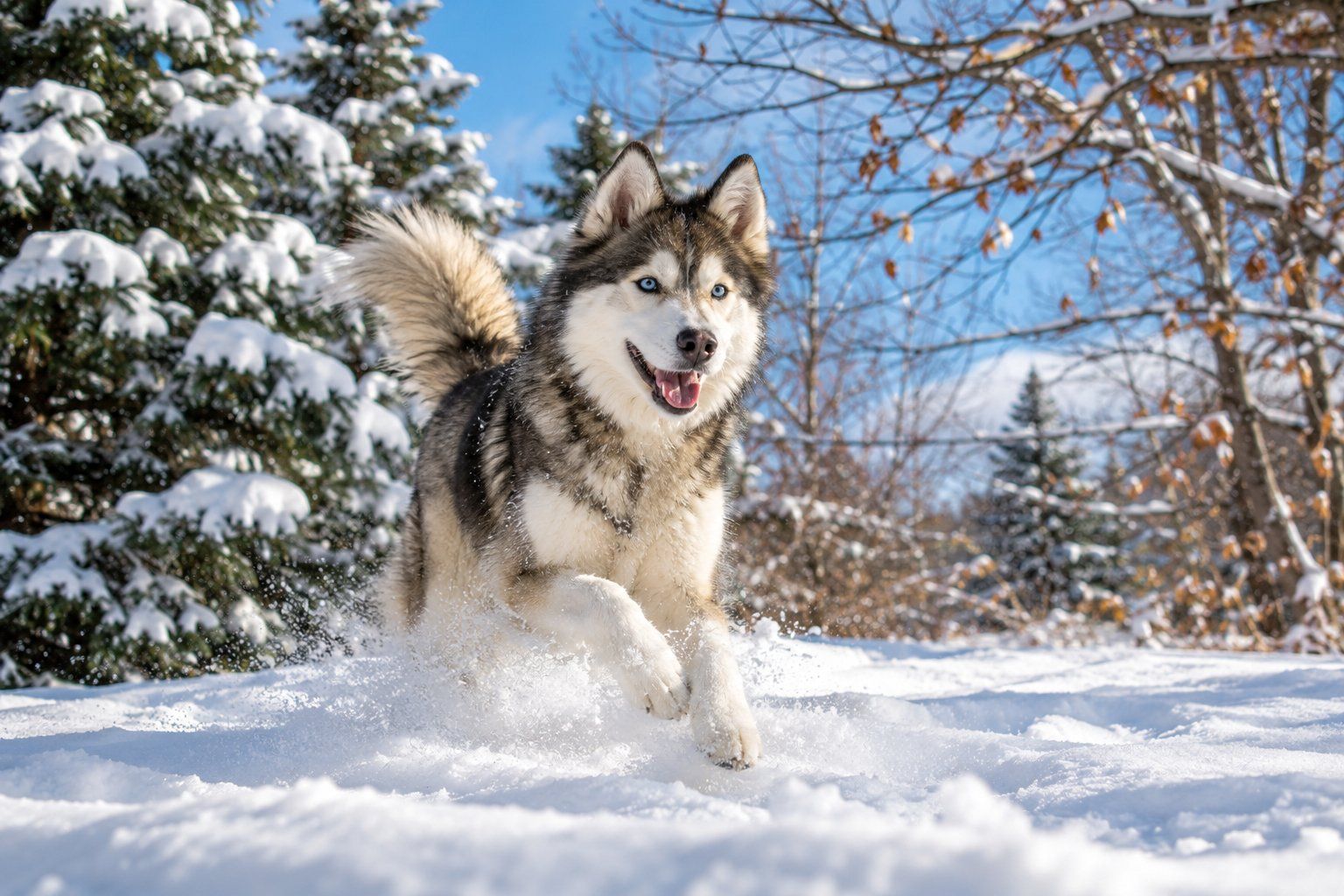
Why most pets fly to Alaska
Driving from Seattle to Alaska means several long days on the road, with an international border crossing on the way. A flight takes a few hours. For most healthy dogs and cats, the flight is the easier trip.
Alaska Airlines flies from Seattle to Anchorage, Fairbanks and Juneau. Your pet can fly with you, in the cabin or as checked baggage, or on its own as airline cargo through Alaska Air Cargo. On its own, your pet does not need you on the plane: you can fly first and have your pet follow once the new home is ready.
We arrange the move door to door: home pickup in the Seattle area, the crate, the paperwork, the cargo booking, and delivery to your new home in Alaska. The same in the other direction for moves to Seattle.
Quick facts
- To Anchorage
- About 3.5 hours (ANC)
- To Fairbanks
- About 3.5 to 4 hours (FAI)
- To Juneau
- About 2.5 to 3 hours (JNU)
- Health certificate
- Within 10 days, for pets in the hold
- Rabies certificate
- Dogs and cats 3 months and older
- Below 45°F
- Vet acclimation letter
- Summer
- No heat limit listed for these cities
The airline's paperwork
Health certificate
Alaska Air Cargo needs a health certificate from a licensed vet for every pet flying in the cargo hold, issued within 10 days of the flight (14 days for dogs and cats going to Hawaii). Pets flying with you as checked baggage need one too, within 10 days of the first flight. For a small pet in the cabin, the airline does not ask for one, but state rules may. See vet health certificate for flying.
Rabies certificate
The airline asks for a rabies vaccination certificate for dogs and cats flying between the Lower 48 and Alaska, and within Alaska. Dogs and cats under 3 months old do not need one. Bring the certificate your vet gave you with the last rabies shot, and check that it is still current on the day of the flight.
Acclimation letter
When it is below 45°F at an airport on the trip, the airline needs a certificate from your vet giving the temperatures your pet is used to, issued within 10 days of the flight. In the colder months, that is common on flights to and from Alaska. The vet can write it at the health certificate visit.
Winter cold
The airline generally flies pets in the hold only when the forecast is between 45°F and 85°F at every airport on the trip. Below 45°F is allowed with the vet's acclimation letter. In the colder months, that letter is often part of a move to Anchorage, Fairbanks or Juneau.
A few things make a winter move easier on your pet:
- Get the acclimation letter right. The vet writes the temperatures your pet is used to. A dog from a mild Seattle winter is not used to deep cold, and the vet's letter should be honest about that.
- Choose the time of day. For pets flying with you as checked baggage, the airline suggests mid-day flights in winter. We look for the warmest practical flight for pets flying on their own too.
- Be quick at the other end. Whoever collects your pet should be at the cargo building when your pet is ready, about 1 hour after landing, with a warm car and a blanket for the crate. Pets must be collected within 4 hours.
- Leave slack. Winter storms delay flights. Leave a day or two around the move if you can.
Short-coated, very small, very young and older pets feel the cold most. Ask your vet whether a winter flight suits your pet, and give them time to get used to the cold after the move.
Summer
Summer is the easy season for Alaska moves. Anchorage, Fairbanks and Juneau are not on the airline's summer heat list, and Seattle has no summer limit either. The general 45°F to 85°F rule still applies on the day, and we check the forecast before we confirm. More in summer heat rules.
The crate, breeds and the day of travel
Crate: pets in the hold travel in an airline approved hard kennel, series 100 to 500, with pet and kennel together up to 150 lb. A bigger dog that needs more than a 500 gets a custom quote. Our crate size calculator suggests a size, and we sell airline crates ready to fly. Start crate training a few weeks before the move.
Breeds: snub-nosed breeds, including all bulldogs, boxers, pugs and mastiffs, and Persian and Himalayan cats, cannot fly in the hold. See snub-nosed breeds and flying.
The day: your pet is picked up at home in the Seattle area and handed in at SEA cargo, no more than 4 hours before the flight. In Alaska, your pet is usually ready about 1 hour after landing and is brought to your new home, or collected by someone you choose.
Moving somewhere in Alaska beyond Anchorage, Fairbanks and Juneau? Get a price and tell us where, and we will plan the move with you.
Seattle and Alaska
Alaska routes
Moving from Alaska to Seattle? It works the same way in reverse: home pickup in Alaska, the flight to SEA, and delivery to your home in the Seattle area. Washington sets its own entry rules for pets, so ask your vet to check them.
Moving pets to Alaska: questions
How do I move my dog to Alaska from Seattle?
What does my pet need to fly to Alaska?
Can pets fly to Alaska in winter?
Can pets fly to Alaska in summer?
Can I drive my dog to Alaska instead?
Can snub-nosed breeds fly to Alaska?
Last checked against the official pages on October 6, 2026.
Airlines and states change their rules. Always check the official page before you book.
Moving to Alaska with your pet?
Tell us your dates. We check the season, the paperwork and the crate, and arrange the move from Seattle, door to door.