Guide
Moving a dog or cat across the country
A plain guide for anyone moving a pet long distance, from Seattle or to Seattle. Whether to fly or drive, how pets fly, what to do and when, and what the paperwork looks like. Using the airline's own rules.
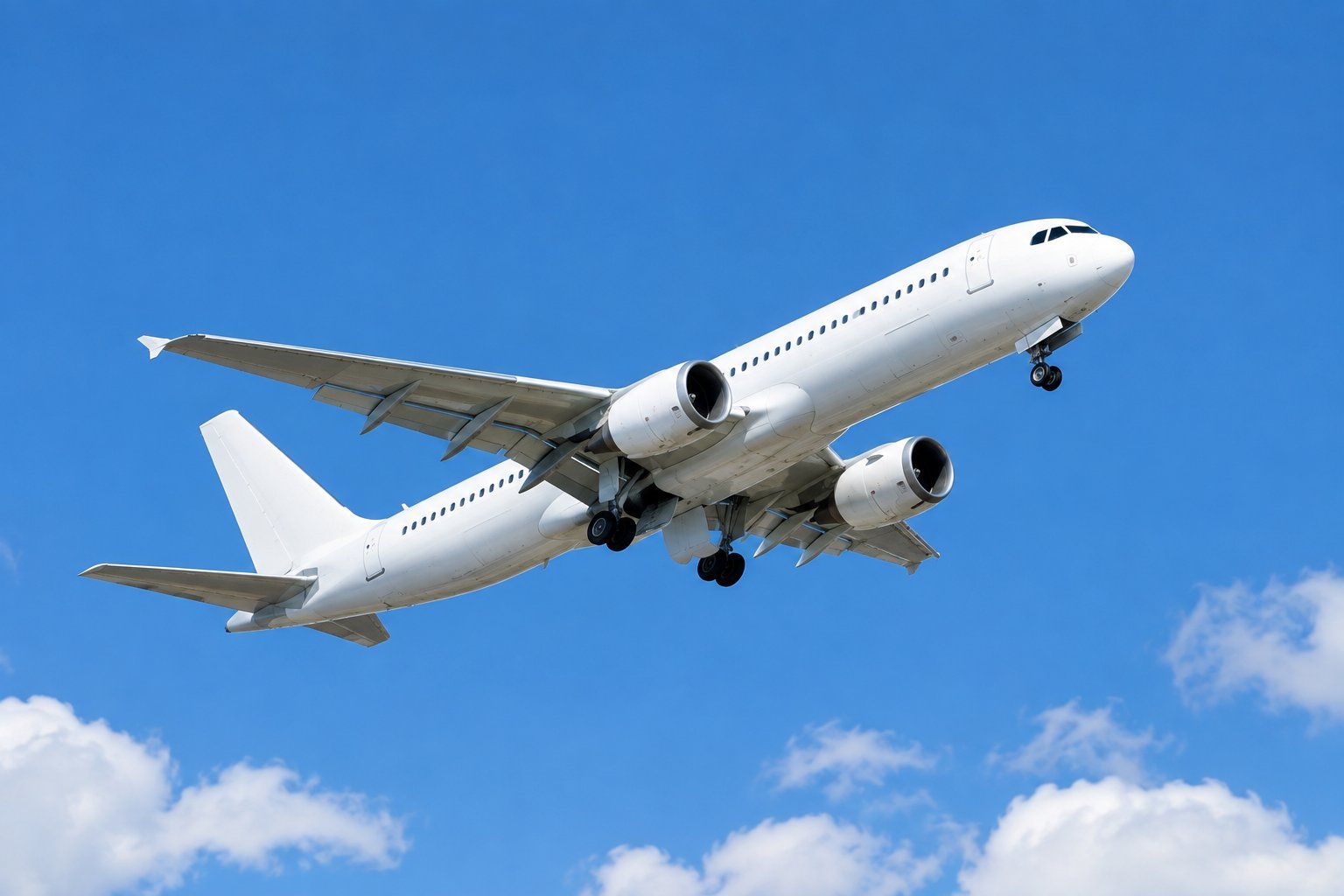
Fly or drive?
Seattle sits in the far corner of the country. Driving to the East Coast, Texas or Florida takes several long days, with new smells, a new hotel room every night and hours in a carrier or on a seat.
A flight takes hours, not days. Seattle to New York is about 5 to 5.5 hours. Seattle to Miami is about 6 hours. Flying is not stress free: the crate, the noise and the handling are all new. But for most healthy dogs and cats, a few hours in the air is easier than a week on the road.
We move pets by air. We do not offer moves by road. See our routes.
Driving yourself
Driving with your pet is a real option, and sometimes the right one: if your vet advises against flying, if your pet is a snub-nosed breed too big for the cabin, or if your dog needs a crate bigger than the airline takes. If you drive, plan it like this:
- Keep days short. Plan for about 8 hours of driving a day at most, with a stop every 2 to 3 hours for water, a short walk on leash and a toilet break.
- Book pet friendly hotels ahead. Do not count on finding one at the end of a long day, especially across the mountain and desert states where towns are far apart.
- Secure your pet with a carrier or crate strapped in place, or a harness made for cars.
- Never leave your pet alone in a parked car, in summer heat or winter cold.
- Pack a pet bag: food from home, water, bowls, medication, vet records, a leash, poop bags, a towel and a recent photo.
- Watch the mountain passes in winter. Snow can close them. Carry a blanket and extra food.
Cargo, cabin or checked bag
There are three ways a pet can fly. Alaska Airlines and Hawaiian Airlines share one pet policy, and the details below are theirs.
As cargo, on its own
Your pet flies in an airline approved crate on its own booking, through Alaska Air Cargo. You do not have to be on the plane. Pets are handed in at the cargo building, not the passenger terminal, no more than 4 hours before the flight, and are usually ready about 1 hour after landing. This is the move we arrange, door to door. See Alaska Airlines pet cargo.
With you, in the cabin
Small dogs and cats can travel in a soft carrier under the seat in front of you. Check the carrier size in the Alaska Airlines pet policy before you buy one.
With you, as checked baggage
Bigger pets can fly in the hold on your flight, in a hard kennel, with a health certificate. Other airlines have their own rules: read their pages if you plan to fly with them. Our airline guide covers Alaska and Hawaiian.
Flying with your pet? We can still help with the crate, the vet visit and a ride for your pet to SEA to meet you at check-in. You travel to the airport separately, because owners do not ride along. See airport pet transport.
Timeline: 8 weeks to arrival
You can move a pet on shorter notice, but this is the calm version. Moving to Hawaii? Start much earlier: see moving pets to Hawaii.
8 weeks before
- Decide: fly with your pet, send your pet as cargo, or drive.
- Get a price for your route and dates, so you know your options early.
- Check your pet's breed against the airline rules, especially snub-nosed breeds.
- Look up the entry rules of your new state on the USDA state-to-state page.
- Get your landlord's or building's pet approval in writing for the new home.
- Measure your pet and use the crate size calculator. Get the crate now so there is time to train.
4 weeks before
- Start crate training (see below).
- Confirm your dates with us. In summer, check the heat rules for your destination.
- Ask your vet to bring vaccines up to date, and get a copy of the records and the rabies certificate.
- Find a vet in the new city and ask if they take new patients.
2 weeks before
- Book the vet visit for the health certificate within 10 days of the flight. Too early, and it is no longer valid on the day.
- Confirm who is at the new home on arrival day.
- Update your pet's microchip record with your new address and cell number.
The week before
- Keep walks, meals and bedtime on the usual schedule. Pack the pet's things last.
- Put a familiar blanket or t-shirt in the crate. Do not wash it: the smell helps.
- Put an ID tag on the collar with your cell number.
- Do not give a sedative unless your vet says so. The airline does not give medication of any kind during the trip.
Paperwork and state rules
Two sets of rules apply to a move between states: the airline's, and the state you are moving to.
The airline
- Health certificate: Alaska Air Cargo needs a health certificate from a licensed vet for every pet flying in the cargo hold, issued within 10 days of the flight (14 days for dogs and cats going to Hawaii).
- Rabies certificate: needed for Alaska and Hawaii routes. Bring it on every route anyway: states and vets often ask for it.
- Acclimation letter: when it is below 45°F at an airport on the trip.
- Forms and labels: the air waybill, a food and water certification on the crate, "Live Animal" labels and the names and phone numbers at both ends.
The state
The USDA does not regulate pets moving between states with their owners. In its words, "domestic movement requirements are set by the receiving State or Territory". So the rules depend on where you are going: some states ask for a health certificate from an accredited vet, a current rabies vaccine, or more. Check your new state on the USDA state-to-state page, and show the rules to your vet. Hawaii and Alaska have their own guides: Hawaii and Alaska.
Moving to Seattle? Washington sets its own entry rules too. Your vet can check them for you. See vet health certificate for flying.
When we arrange the move, we prepare the airline forms and labels and check them before your pet is handed in.

The crate and crate training
In the air, every pet in the hold travels in an airline approved hard crate. On the ground, a pet may ride in a carrier, a crate or loose, depending on the pet. For the flight, the crate must follow the airline rules:
- Rigid, held together with nuts and bolts, with a solid roof and no door on top.
- A metal door, securely fastened.
- Food and water dishes clipped inside the door. Absorbent bedding.
- No wheels, no collapsible, wire or soft crates.
- Room for your pet to stand without the ears touching the top, turn around and lie down.
Alaska takes crates in the 100 to 500 series, with pet and crate together up to 150 lb. We sell airline crates ready to fly. The crate size is an estimate based on the details you enter. Your pet may need a bigger crate once we see them in person, and the airline makes the final call at check-in. We will confirm the crate before we order it.
Crate training in four steps
- Make it furniture. Put the crate in a room where your pet spends time, door open, with a blanket inside. Leave it there.
- Make it good. Drop treats inside. Feed meals in the crate. Praise any time your pet goes in on its own.
- Close the door for short spells. A minute, then five, then twenty, while you are nearby. Open it before your pet gets upset.
- Practice moving. Lift the crate, carry it, take a short car ride. A pet that has done this a few times copes much better on the day.
Never use the crate as a punishment. You want your pet to see it as a safe den.
Heat, cold and breeds
Temperature: Alaska generally accepts pets in the cargo hold only when the forecast is between 45°F and 85°F at every airport on the trip. Below 45°F a vet acclimation letter, issued within 10 days of the flight, is needed. Some cities close to pets in summer. From May to mid October, cities such as Las Vegas, Miami, Dallas, Austin and Chicago close to pets for part of the summer. See summer heat rules for the dates.
Snub-nosed breeds: since October 1, 2026, snub-nosed dogs and cats, including all bulldogs, boxers, pugs and mastiffs, and Persian and Himalayan cats, cannot fly in the hold on Alaska, Hawaiian or Horizon aircraft. Mixes count too. See snub-nosed breeds and flying.
Cats: cats fly the same way dogs do, in the same kind of crate. Bring the crate out weeks early, keep your cat in one quiet room on packing day, and start with one room at the new home. More on our cat transport page.
The day of travel
- Your pet is offered food and water within 4 hours of departure. Ask your vet how much: a light meal is common.
- A good walk before pickup, then a toilet break.
- Your pet is picked up at home and handed in at airport cargo, no more than 4 hours before the flight. You get a message when your pet is checked in.
- At the other end, your pet is usually ready about 1 hour after landing, and must be collected within 4 hours. We arrange the pickup and delivery to your new home, or someone you choose collects your pet.
- At home: water first, then a short walk on leash, then a quiet room.
What it costs
The cost of moving a pet across the country depends mostly on your pet's size, because the airline charges by the weight of your pet and the crate together. The distance from your home to the airport at each end, the crate and extras such as a ride to the vet count too.
Fill in the quote form: on most routes you see your price on screen in about three minutes. When we price by hand, you hear from us within 24 hours. Read what affects the cost, or pick a route:
- Seattle to Los Angeles
- Seattle to San Francisco
- Seattle to San Jose
- Seattle to Phoenix
- Seattle to New York
- Seattle to Honolulu
- Seattle to Anchorage
- Seattle to Dallas
- Seattle to Houston
- Seattle to Denver
- Seattle to San Diego
- Seattle to Chicago
- Seattle to Boston
- Seattle to Washington, DC
- Seattle to Boise
- Seattle to Austin
- Seattle to Las Vegas
- Seattle to Miami
- Seattle to Atlanta
- Seattle to Minneapolis
- Seattle to Maui
- Seattle to Kona
- Seattle to Fairbanks
- Seattle to Juneau
Moving to Seattle instead? Los Angeles to Seattle, San Francisco to Seattle, San Jose to Seattle, Phoenix to Seattle, New York to Seattle, Honolulu to Seattle and more routes.
Driving yourself has its own costs: fuel, hotels with pet fees, meals and days off work. Count them before you decide.
Once you arrive, our guide to helping your pet settle in covers the first day and the first week.
Moving pets across the country: questions
What is the best way to move pets across the country?
How much does it cost to move a dog across the country?
Can you drive my dog across the country?
Does my pet need a health certificate to move to another state?
Can my pet fly on a different day from me?
Can my pet fly in summer?
Which cities do you move pets to and from?
Last checked against the official pages on October 6, 2026.
Airlines and states change their rules. Always check the official page before you book.
Want us to handle it?
We arrange home pickup, the crate, the paperwork and your pet's flight, door to door, to or from Seattle. On most routes you see your price on screen in about three minutes.