Dogs, by air
Dog transport to and from Seattle
We fly dogs of every size between Seattle and cities across the US, door to door. Your dog travels as airline cargo in a hard crate, or with you on your flight, and we take care of the crate, the paperwork and the rides at both ends.
How dogs fly
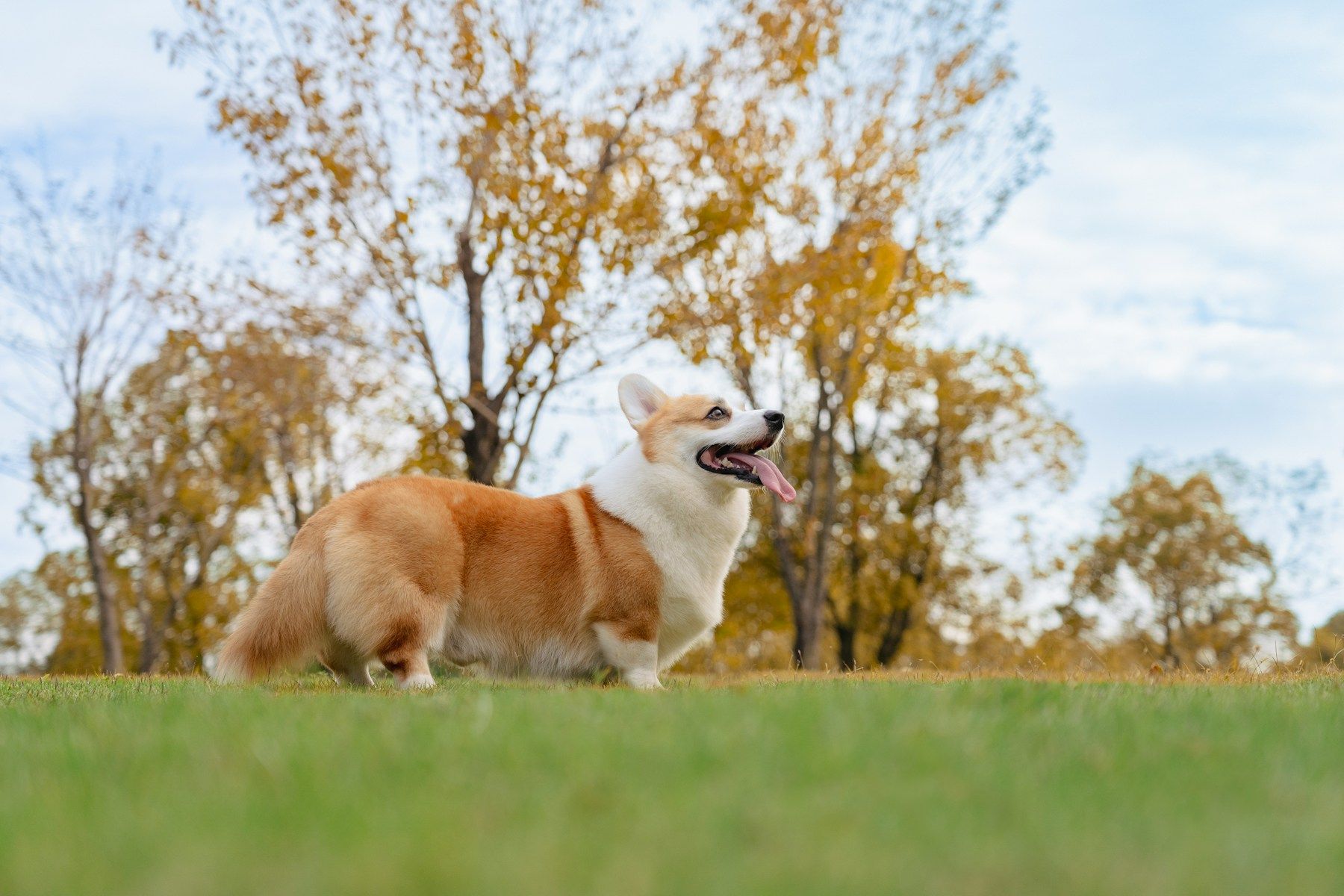
A dog gets on a plane in one of three ways. A small dog can ride in the cabin with you, in a soft carrier under the seat. A bigger dog can go in the hold on your flight as checked baggage, in a hard crate. Or your dog can fly on its own as cargo, in the same kind of crate, with its own booking. Cargo is what most of our customers choose, because you do not have to be on the same flight, or fly at all.
What is new for a dog is the crate, the noise and the handling, not the flight itself. That is why crate practice at home and an early, cool flight do more for a calm trip than anything else.
What changes with the size of the dog, the breed and the season:
Small to large
The crate decides most of it
Your dog must be able to stand with its head and ears clear of the roof, turn around and lie down in a normal position. We work out the smallest crate that does that from four measurements and your dog's weight, and the airline charges by the weight of dog and crate together. So the right size is worth getting right: too small is refused at check-in, too big costs more to fly.
- Small dogs (Chihuahua, Yorkshire Terrier, Dachshund, Havanese): usually the 100 series or 200 series. Many of these can also fly in the cabin with you.
- Medium dogs (Beagle, Cocker Spaniel, Border Collie, Australian Shepherd): usually the 300 series, sometimes the 400 series.
- Large dogs (Labrador, Golden Retriever, German Shepherd, Husky): usually the 400 series or 500 series. Weight pushes many of these up a size even when the measurements fit a smaller one.
- Giant dogs (Great Dane, Newfoundland, Saint Bernard, Bernese Mountain Dog): often bigger than a 500 series, which is the largest standard size. These moves get a custom quote.
The limit for dog and crate together is 150 lb. Try the crate size calculator, or read about airline pet crates. We sell crates in every size, set up for the flight.
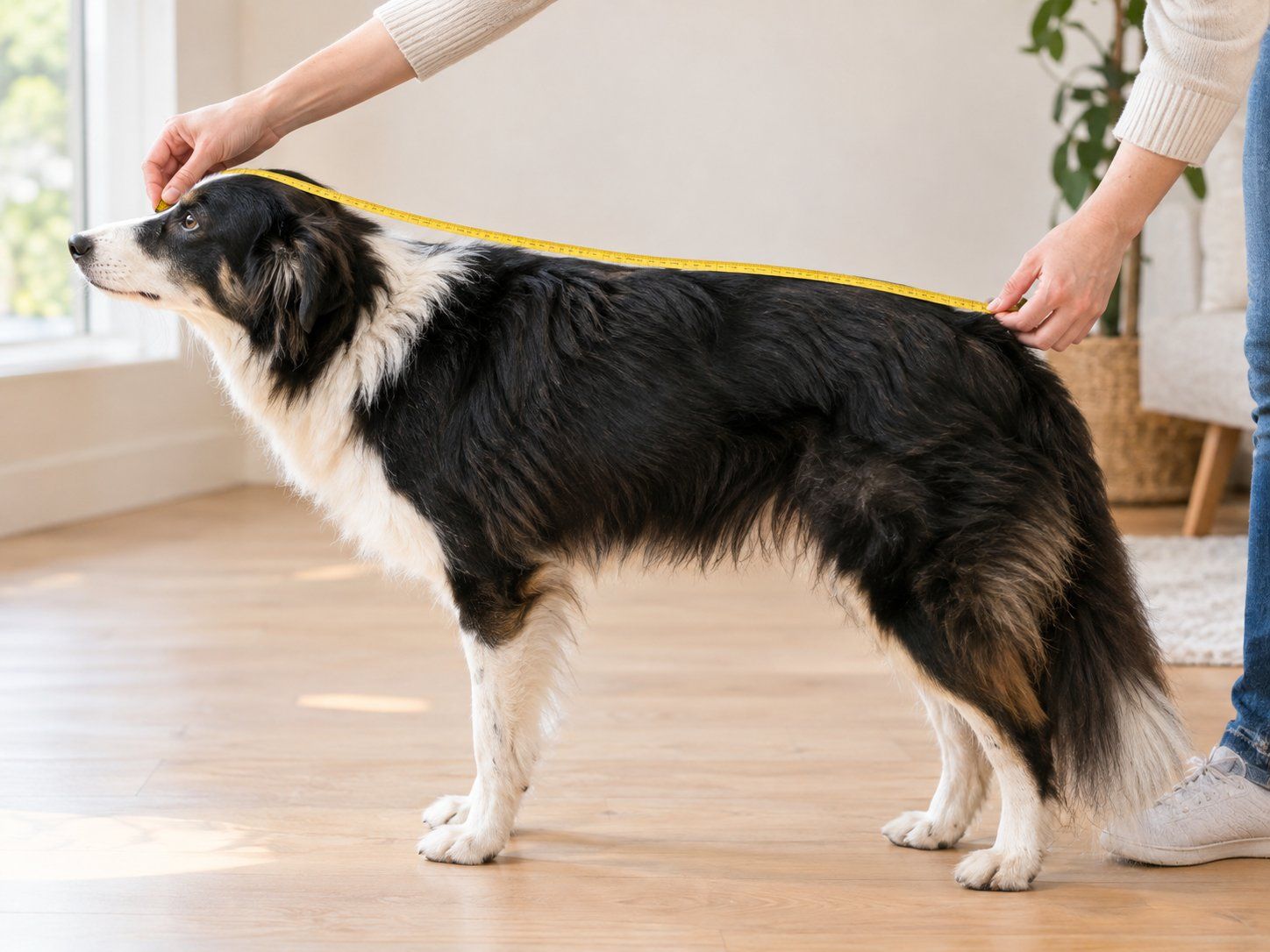
Four measurements with your dog standing: nose to tail base, floor to elbow, shoulder width, and floor to the top of the head or ears.
Breeds that cannot fly in the hold
Since October 1, 2026, the airline does not accept snub-nosed dogs in the cargo hold, and it never accepted them as checked baggage. The list: Boston Terrier, Boxer, Brussels Griffon, Bulldog, Chow Chow, English Toy Spaniel, Japanese Chin, Mastiff, Pekingese, Pug, Shih Tzu. "All breeds" means every bulldog, every boxer, every pug and every mastiff, and mixes count when the health certificate names one of these breeds.
The mastiff line catches big dogs people do not think of as snub-nosed: the Bullmastiff, Cane Corso, Dogue de Bordeaux and Neapolitan Mastiff among them. If your dog is one of these, ask us before you plan. Pit bull types, Staffordshire terriers and Bull Terriers are on some of the airline's lists and not others, so we check those with the airline first.
A small snub-nosed dog can still fly in the cabin with you, in a soft carrier up to 17 x 11 x 9.5 inches. For a Boxer or a full-size bulldog, the cabin is not an option, and we tell you so plainly. The full list and the options are in snub-nosed breeds and flying.
Heat, cold and the time of year
The airline generally flies dogs in the hold only when the forecast is between 45°F and 85°F at every airport on the trip. In summer, some cities close to pets for weeks at a time, and others take dogs only on cooler days, so we book early flights and check the forecast before we confirm. Thick-coated and dark dogs feel the heat first. In winter, an airport below 45°F means a vet acclimation letter, which is common for flights to Alaska and to cities such as Minneapolis, Chicago and Boston. The dates are in summer heat rules.
The paperwork
Every dog in the hold needs a health certificate from a licensed vet, issued within 10 days of the flight (14 days for Hawaii). Most states also want proof of a current rabies vaccine, and several want the certificate from a USDA accredited vet. We tell you what your route needs and can arrange the ride to your own vet. See the vet health certificate for flying and pet entry rules by state.
Travel day
A good day for a dog
Before
- Two to four weeks of crate practice: door open at home first, then meals inside, then short closed stretches, then a car ride.
- A long walk and a last bathroom stop before pickup. A tired dog settles faster.
- Food and water offered within 4 hours of the flight, as the airline asks. A light meal is easier on the stomach than a full one.
- Collar off or a flat collar only. Harnesses, choke collars and muzzles are not allowed in the crate.
- A towel or blanket that smells of home in the crate, and a small toy if your dog will not chew it up.
On the day
- Your dog is picked up at home and handed in at airport cargo no more than 4 hours before the flight, with the paperwork attached to the crate.
- We follow the flight and tell you when it has landed.
- Dogs are usually ready about 1 hour after landing and must be collected within 4 hours. We arrange the pickup and the drive to the new home, or someone you choose collects your dog at cargo.
- At the new home: water first, then a short walk on a leash, then a quiet room. Most dogs are themselves again within a few days. More in helping your pet settle in.
Flying with your dog instead
A dog small enough for a soft carrier of 17 x 11 x 9.5 inches can fly in the cabin with you. A bigger dog can go in the hold on your flight as checked baggage, up to 150 lb with the crate, with a health certificate within 10 days of the first flight. You book your dog with the airline and pay the airline's pet fee yourself. We can supply the crate, arrange the vet visit, and bring your dog to SEA to meet you at check-in. See the Alaska Airlines pet policy and airport pet transport.
Moving with a cat too? Cats fly the same way, in smaller crates. See cat transport.
Last checked against the official pages on October 6, 2026.
Airline and state rules can change, so check the official page before booking.
Dog transport: questions
Can my dog fly alone from Seattle?
How much does it cost to ship a dog?
What is the biggest dog that can fly?
Can my bulldog, pug or boxer fly?
What about pit bulls and other strong breeds?
Can two dogs share a crate?
Should I sedate my dog for the flight?
Moving with a dog?
Tell us the breed, the weight and where your dog is going. The crate size and the price come back together.